Wearing braces as an adult is no longer a taboo. In fact, it is becoming increasingly common, because adults are more aware of long-term oral health, and modern technology (such as clear aligners) has made treatment more discreet than ever.
Here are the main reasons adults decide to start orthodontic treatment:
Functional and health reasons: Many people think orthodontics is only about “straight teeth”, but there are often deeper issues that become more noticeable over time: uneven tooth wear due to an incorrect bite, jaw joint problems (jaw pain, clicking, headaches), and difficult hygiene (crowded teeth create “hidden” areas that are almost impossible to clean properly, increasing the risk of cavities and gum inflammation).
Aesthetics and confidence: This is the most common trigger. Adults who missed treatment in childhood often carry insecurity about their smile. In professional life, a confident smile can make a real difference in first impressions. Proper tooth position also provides better support for lips and cheeks, which can subtly soften the appearance of aging in the lower third of the face.
Preparation for other dental work: Sometimes orthodontics is not the final goal, but a necessary step. If you are missing a tooth and want an implant, neighboring teeth often tilt into the empty space. Orthodontics helps reposition them so the surgeon has enough room for implant placement. The same applies to veneers or crowns: creating space and aligning teeth first often makes restorative work look more natural and last longer.
Relapse from childhood: A large group of adults wore braces as children but did not wear retainers. As a result, teeth shifted over time and orthodontic treatment is needed again.
The most common question adult patients ask is: Invisalign or traditional braces?
Modern orthodontics offers solutions that are effective, aesthetically acceptable and adapted to a busy adult lifestyle. Here is a comparison to help you decide.
Invisalign: A Discreet, Nearly Invisible Partner for Your Smile
Invisalign uses a series of clear aligners made specifically for your teeth. Instead of brackets, teeth are moved with almost invisible trays that are typically changed weekly.
Key advantages for adults:
- Maximum aesthetics: aligners are practically invisible and most people won’t notice you are in treatment.
- Easier hygiene: since aligners are removable, you can brush and floss normally.
- No food restrictions: remove aligners for meals and enjoy your usual diet.
- Comfort: no metal wires or brackets that can irritate cheeks and lips.
Traditional Fixed Braces: Proven Strength and Precision
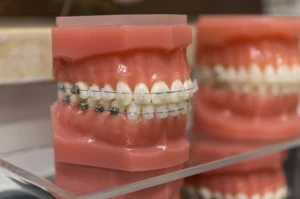
Traditional braces have been the “gold standard” in orthodontics for decades. They consist of metal or ceramic brackets that remain fixed to the teeth throughout treatment.
Why choose fixed braces?
- Versatility: a reliable option for very complex bite corrections and tooth rotations.
- Constant action: braces work 24/7 without relying on daily discipline (no forgetting aligners).
- Aesthetic alternative: if you prefer not to wear metal, tooth-colored ceramic brackets offer a more discreet look with excellent effectiveness.
Which Should You Choose: Invisalign or Traditional Braces?
There is no one-size-fits-all solution. The best choice depends on:
- the type and severity of the orthodontic issue
- your aesthetic preferences
- your habits and daily schedule
- the expected treatment duration
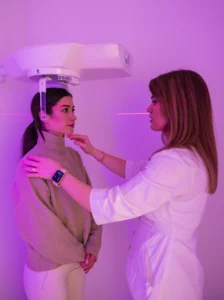
A specialist orthodontic exam is essential to determine which option will provide the best and most stable long-term result.
It’s Never Too Late for a Great Smile
Aligning teeth as an adult is not only about appearance. A correct bite means less tooth wear, easier hygiene and better long-term jaw joint health. Regardless of the method, the outcome is the same: the confidence that comes with a healthy, balanced smile.
Not sure what to choose? Book an orthodontic appointment and let us create your digital treatment plan.