Bite problems are common in both children and adults, but they are often overlooked because they may not cause pain or obvious symptoms right away. Over time, however, an improper bite can lead to a range of functional and health issues, which is why it should never be seen as “only an aesthetic concern”.
A bite refers to the way the upper and lower teeth come into contact. When this relationship is disrupted, forces are transferred unevenly to teeth, the periodontal ligament, bone, jaw joints and chewing muscles. In the long run, this can lead to significant consequences.
What Are the Most Common Bite Problems?
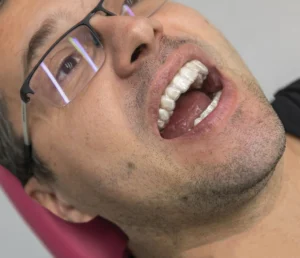
Among the most common orthodontic bite problems are open bite, deep bite, crossbite, underbite (Class III) and overbite (distal bite/Class II). Each of these conditions has specific characteristics, but they share one thing in common: they affect chewing function and overload surrounding structures.
An open bite is characterized by a lack of contact between certain teeth, while a deep bite involves excessive overlap of the upper teeth over the lower teeth. A crossbite is an improper lateral relationship between teeth (and often the jaws), while an underbite is typically linked to a more prominent lower jaw.
Why Bite Problems Shouldn’t Be Ignored
Even if they seem minor at first, untreated bite problems can lead to:
- increased and uneven tooth wear
- tooth sensitivity and enamel cracks or fractures
- jaw joint and chewing muscle pain
- headaches and neck pain
- difficulties with chewing and speech
- breathing difficulties
In addition, misaligned teeth make oral hygiene harder, increasing the risk of cavities and gum disease.
How Bite Problems Affect Facial Appearance
An improper bite can also significantly influence facial aesthetics. Jaw relationships shape the profile, facial symmetry and lip position. Over time, untreated bite issues can disturb natural facial balance and affect self-confidence.
In such cases, orthodontic treatment does not only correct tooth position, but can also contribute to a more harmonious overall facial appearance.
Early Diagnosis Is the Key to Success
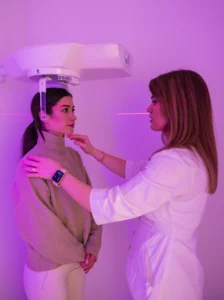
Early diagnosis of bite problems often allows simpler and more effective treatment options. In children, it is possible to guide jaw growth and development, while adults can achieve successful functional and aesthetic improvements through an individualized treatment plan.
Regular orthodontic check-ups help detect problems early and prevent more severe orthodontic conditions from developing.
Orthodontics as an Investment in Long-Term Health
Correcting a bite problem is not only about a better-looking smile. It is an investment in the health of teeth, jaw joints and the entire chewing system. A balanced bite distributes forces evenly, supports better oral hygiene and helps preserve dental health long term.