
- Mon–Wed 1:00 PM–8:00 PM, Thu–Fri 9:00 AM–4:00 PM, Sat 9:00 AM–2:00 PM

Orthodontics for Children
The right time for a healthy smile is often earlier than you think
In children, orthodontic therapy is not focused solely on straightening teeth, but on the proper growth and development of the jaws and bite. With a timely examination, it is possible to identify irregularities in growth and development and, when necessary, intervene at the right time in a way that is simpler, shorter, and more stable in the long term.
At Ortho Rijeka, we monitor children throughout their growth and development, building a relationship of trust with both the child and the parents, without haste or unnecessary procedures.
Timely assessment can prevent more complex treatments later
When and for whom is pediatric orthodontics intended
Pediatric orthodontics is intended for children who are still growing and developing. The recommended age for the first orthodontic examination is 7 years, which is the ideal time to assess jaw growth and development, bite relationships, and the eruption of permanent teeth. The first examination does not necessarily mean the start of therapy – often the goal is simply monitoring and timely intervention if needed.
With early orthodontic therapy, we can guide growth and prevent or reduce orthodontic irregularities, ensuring that the child, if treatment is needed at all, will have a shorter and simpler orthodontic therapy later in life.
- MONITORING JAW GROWTH AND DEVELOPMENT AND ERUPTION OF PERMANENT TEETH
- PREVENTION OF MORE SEVERE ORTHODONTIC IRREGULARITIES
- Long-term stable and functional results
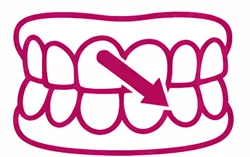
CROSSBITE
An improper relationship between the upper and lower teeth that can affect bite function, facial symmetry, and long-term stress on the jaw joints.
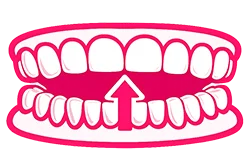
OPEN BITE
A condition in which the front teeth do not make contact, which can make chewing and speaking more difficult and affect bite stability.
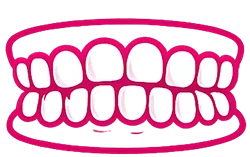
Severe crowding of teeth
A lack of space for proper tooth alignment that makes oral hygiene more difficult and increases the risk of cavities and periodontal problems.
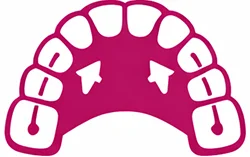
NARROW UPPER JAW
A constricted upper jaw that can cause problems with bite, breathing, or tooth alignment.
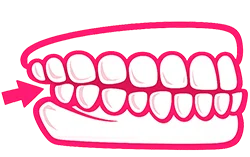
Progenia
A bite in which the lower jaw is positioned in front of the upper jaw, disrupting function, aesthetics, and bite balance.
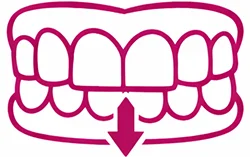
DEEP BITE
Excessive overlap of the upper teeth over the lower teeth, which can lead to excessive tooth wear and strain on the supporting structures.
THERAPY THAT FOLLOWS THE CHILD’S GROWTH AND DEVELOPMENT
How we approach pediatric orthodontics
Every child develops at their own individual pace. That is why our orthodontic approach begins with detailed diagnostics and an assessment of growth and development, after which a decision is made on monitoring or starting therapy. If therapy is needed, it is planned individually, taking into account the irregularity, age, and the child’s skeletal and emotional maturity.
The goal of pediatric orthodontics is not a quick result, but the creation of stable foundations for a healthy smile in adulthood. Through regular check-ups and a clearly defined treatment plan, together with parents and the child, we build a long-term relationship and trust.