
- Mon–Wed 1:00 PM–8:00 PM, Tue-Thu–Fri 9:00 AM–4:00 PM, Sat 9:00 AM–2:00 PM
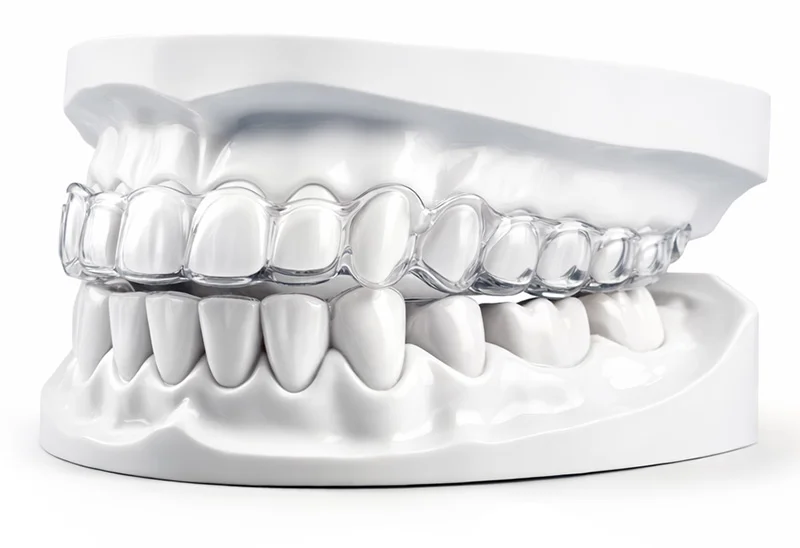
Splint for temporomandibular disorders
Non-invasive therapy for long-term stability of the temporomandibular system
Therapy for temporomandibular disorders (TMP/TMD) is focused on relieving pain, improving the function of the jaw joints and restoring the balance of the entire masticatory system. Symptoms often manifest as jaw pain, clicking or popping in the joint, headaches, neck and shoulder pain, and limited mouth opening.
At the Ortho Rijeka clinic, we approach each patient individually, with detailed diagnostics and analysis of the causes of dysfunction. Treatment may include the fabrication of individual splints, bite correction, muscle (physical) therapy, and counselling on proper habits, reducing strain on the jaw and relaxing the muscles.
WHEN IS THERAPY NEEDED FOR TEMPOROMANDIBULAR DISORDERS?
TMP therapy is intended for people who:
- have pain in the masticatory muscles or temporomandibular joints
- have clicking or popping in the temporomandibular joints
- have headaches or neck and shoulder pain related to TMP
- have limited mouth opening
- grinding or excessive clenching of teeth
Therapy begins with an examination and evaluation of indications. The goal is not only to eliminate symptoms but also to resolve the cause of the problem when possible and prevent its recurrence. Special attention is given to harmonizing jaw function with tooth position and muscular balance.

PAIN IN THE MASTICATORY MUSCLES
Pain in the masticatory muscles is often the result of overload, stress, improper bite or teeth grinding. Timely diagnosis and individually adapted therapy help reduce pain, relax the muscles and restore normal jaw function.

PAIN OR CLICKING IN THE TEMPOROMANDIBULAR JOINTS
Pain or clicking in the temporomandibular joints may indicate a disorder of their function and an imbalance in the masticatory system. Timely diagnosis and targeted treatment help reduce symptoms, improve joint mobility and prevent further complications.

LIMITED MOUTH OPENING
Limited mouth opening is often associated with dysfunction of the temporomandibular joints or tension in the masticatory muscles. Timely therapy helps reduce pain, increase mobility and restore normal jaw function.
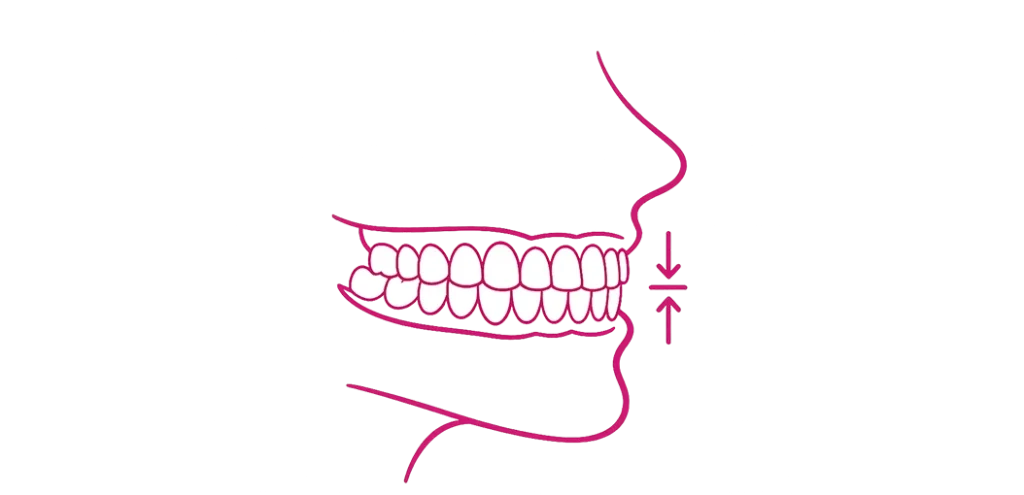
TEETH GRINDING OR EXCESSIVE CLENCHING
Teeth grinding or excessive clenching are often associated with stress, improper bite or disorders of jaw joint function. Timely diagnosis and individually adapted therapy help protect the teeth, reduce muscle strain and prevent long-term damage.
THERAPY THAT HELPS WITH TEMPOROMANDIBULAR DISORDERS
OUR APPROACH TO TMP THERAPY
Before therapy, a detailed clinical examination of the masticatory muscles and temporomandibular joints is performed, along with an analysis of the position of the teeth and jaws, with special emphasis on collecting complete medical history data and completing a specially adapted questionnaire. Therapy is planned individually, with emphasis on patient education. Timely treatment of TMD can significantly improve quality of life and reduce chronic pain. The therapy is non-invasive, safe and adapted to the patient’s everyday functioning. With regular check-ups we monitor progress and adjust the therapy plan if necessary. Our goal is to achieve long-term stability, functionality and a feeling of comfort in everyday activities.